In June 2024, the Vatican Apostolic Library and NTT DATA Italia launched a Web3 pilot granting Italian donors non-transferable “Silver” and “Gold” NFTs in exchange for social shares or donations—tokens that unlock high-res scans of 15 or 21 sacred manuscripts. Built on the Polygon chain, the experiment logged €50 million in charitable gifts on a public ledger, raising urgent questions: can digital faith live on immutable blockchains, or does grace belong beyond gas fees?
The pilot’s sleek interface greeted donors with two paths: a “Silver” token for sharing a social post, and a “Gold” token for a €100 donation. These NFTs—etched with Renaissance illuminations and metadata linking to high‑resolution manuscript scans—felt more like digital reliquaries than mere blockchain curiosities. In Rome’s palazzo offices, curators watched in awe as the ledger swelled with transactions, each gift forever etched into an unalterable chain of code.
But behind the excitement lay unease. Traditionalists bristled at the idea of trading spiritual heritage for speculative tokens, while canon lawyers debated whether an immutable record could ever encompass the Church’s doctrine of forgiveness and mercy. Tech evangelists, by contrast, hailed the program as a revolutionary step toward transparent giving—no more lost paperwork or misdirected funds, every euro traceable from donor wallet to conservation project.
As Ethereum gas fees fluctuated, so did the cost of participation, prompting the Vatican to subsidize minting fees on major feast days. On All Saints’ Day 2024, the surge of “Gold” NFT requests crashed their minting servers—proof that, even in an ancient institution, novelty can overflow capacity.
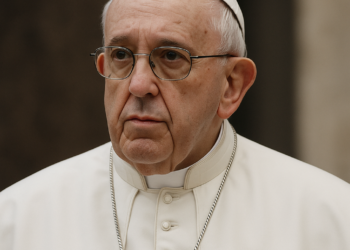
Pope Francis, who had long extolled the virtues of modern communication, quietly approved expansion plans: rare papal bulls, illuminated choir books, and even select items from the Vatican Museum’s Renaissance collection could join the Web3 catalog. Yet he also insisted on a cap—no more than 10,000 total tokens—to preserve scarcity, echoing the medieval practice of limited manuscript runs.
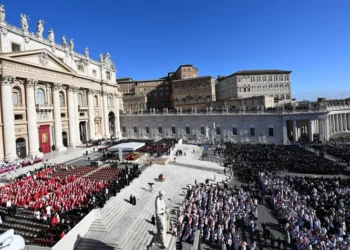
Now, as cardinals prepare to lay this humble pope to rest—and soon convene to elect his successor—the Church faces a theological paradox: Should the Vatican deepen its digital ledger, embracing full‑scale tokenization and smart‑contract pledges, or rewind the experiment and return sacred relics to the unquantified realm of faith alone?
In a world where every pixel, every prayer, and every donation can be logged on‑chain, the answer will define not only the Church’s stewardship of its past, but its vision for humanity’s moral ledger in the centuries to come.
Also Read: Pope Francis’s Digital Legacy: From Medieval Codices to Petabyte Pilgrims