On a chilly March morning, TikTok CEO Shou Zi Chew sat alone at a long table on Capitol Hill, beneath the glaring lights of a congressional hearing room. Flanked by aides who weren’t allowed to speak, a glass pitcher of water was his only lifeline. Over five hours, he was interrupted, cornered, and accused — not of any specific wrongdoing, but of being. Being too polite. Too evasive. Too foreign.
The hearing played like political theater, with Chew cast as the villain in a script he never wrote. It didn’t matter that TikTok was storing U.S. data on U.S. soil, or that its American arm employed thousands domestically. The question wasn’t compliance. The question was control. What unfolded that day wasn’t a hearing — it was a performance.
The U.S. wasn’t just debating an app. It was wrestling with who gets to shape the minds of its youth, who owns the digital town square, and whether the global internet still exists in one piece.
Chew didn’t shout. He didn’t sweat. He spoke in measured tones, framed TikTok as a U.S.-based operation, and stressed its billion-dollar effort to silo American data. None of it seemed to matter. The mood had already been decided.
TikTok was a threat. And Chew, in all his composure, was still the foreign CEO of a foreign company.
A bipartisan appetite for blood
In a rare moment of alignment, Democrats and Republicans rallied behind a common target: the short-form video app that had captivated 170 million Americans. The RESTRICT Act moved with unusual speed through Congress, offering the executive branch sweeping authority to ban or force the divestiture of tech platforms tied to foreign adversaries.
TikTok’s China connection wasn’t just a footnote. It was the whole point. In public statements, lawmakers invoked fears of algorithmic mind control, hidden data transfers, and foreign influence over U.S. discourse. But under the surface, the concerns ran deeper than privacy or propaganda. TikTok represented something Washington couldn’t tolerate: a cultural platform with U.S. reach that the U.S. didn’t own.
America doesn’t like to lose. And it doesn’t like losing to China — especially on something as culturally potent as social media.
The Algorithm that raised a generation and rewrote culture
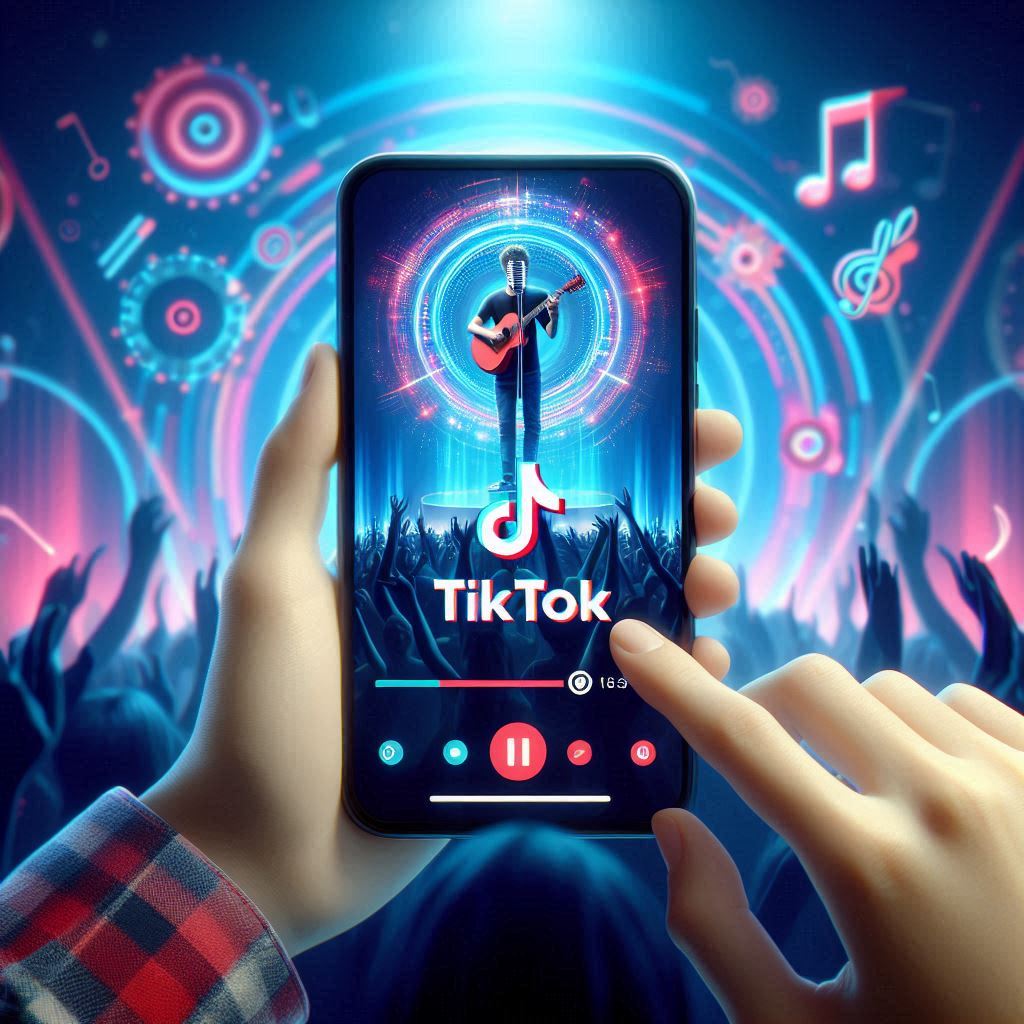
Unlike Facebook or Twitter, TikTok doesn’t center on your social graph. Its power isn’t in its features — it’s in its rhythm. The app didn’t just dominate Gen Z; it molded their humor, politics, and language. Its “For You” page became the most potent content funnel on the planet, capable of turning unknown creators into stars and turning a protest into a movement — or a punchline.
The “For You” page is an endlessly personalized stream driven by Artificial Intelligence algorithm trained on your every scroll, pause, and like. It’s fast. It’s sticky. And it’s eerily good. It shows you what the algorithm knows you want, sometimes before you know it yourself.
The app has replaced Google as the search engine of choice for teens, challenged YouTube’s dominance, and rewritten what it means to go viral. It’s less a social platform and more an attention machine, fine-tuned to capture moods, anxieties, and idle thumbs. Songs are written with TikTok hooks in mind. Books are marketed in 30-second arcs. Beauty products go viral overnight. Political opinions spread in snappy edits and duets. TikTok is not just influencing culture. It is culture.
That cultural grip is what truly unnerves U.S. lawmakers — not just what TikTok might take, but what it’s already given. And the fact that it’s owned by ByteDance — a Beijing-based company — makes it feel, to some in Washington, like a national security leak wrapped in a dance challenge.
To the U.S. government, that level of influence — particularly when wielded by a Chinese company — looked less like innovation and more like infiltration.
Project Texas and the illusion of independence
TikTok’s counteroffer was a $1.5 billion initiative called Project Texas, designed to wall off U.S. user data from its parent company, ByteDance. Under the plan, Oracle would host the data on American soil, oversee moderation systems, and audit code flows. TikTok described it as an unprecedented move to satisfy U.S. regulators.
But reports kept surfacing: ByteDance engineers in China still had backend access to U.S. data. Moderation decisions were inconsistent. And Project Texas, despite its price tag and buzzword-laden whitepapers, started to look like a PR firewall rather than a technical one.
Internal Slack messages hinted at coordination between the U.S. and Chinese teams. And no matter how many times Chew assured lawmakers that TikTok was an independent entity, the perception wouldn’t stick.
For many lawmakers, the central question remained unanswered: Who ultimately controls the code?
In geopolitics, trust doesn’t get built on PowerPoint slides.
The myth of the open internet
In 2010, Hillary Clinton gave a speech declaring internet freedom a core tenet of American foreign policy. A decade later, the dream of a global, open internet has fractured into spheres of influence — splinternets. China has its Great Firewall. Russia censors content at will. And now the U.S. is carving its own exclusions.
The ban on TikTok wouldn’t just be a content moderation move. It would mark the first time the U.S. forced a platform out of the country for geopolitical reasons — not for data violations or criminal activity, but for being too powerful and too foreign.
It sends a message to the world: Even America, long the champion of a borderless web, now draws lines in the digital sand.
The Ghost app that still haunts the feed
Even if TikTok disappears from U.S. app stores, its influence won’t. Its aesthetic — rapid cuts, chaotic humor, algorithmic intimacy — has already colonized Instagram Reels, YouTube Shorts, and even Netflix trailers. But the soul might not survive the transfer. TikTok’s weirdness wasn’t just technical — it was cultural, shaped by the strange magic of its user base and its code.
The clones feel hollow. The influencers scattered. The vibe? Gone.
If TikTok goes, something bigger goes with it: the idea that one platform could capture a generation’s imagination without belonging to any one nation. What remains is a quieter, more fractured internet — and the eerie question of what comes next when the feed goes dark.
What happens next?
ByteDance has already said it will fight. Lawsuits will follow. Young creators who built careers on the platform are already strategizing their exit plans. Brands are shifting ad budgets toward YouTube Shorts and Instagram Reels. And the next generation of influencers may never again bet on a single app.
But even if TikTok survives, the landscape has changed. The golden age of borderless platforms is closing. Governments want control. Culture is geopolitical. And TikTok’s fall — real or symbolic — marks the beginning of something new.
A world where the internet isn’t just divided by cables, but by flags.
Also Read: U.S to Lead Global AI Race